
Introduction
Dental X-rays are a vital part of preventive dentistry. They help dentists spot problems early, often before you feel any pain. Because of this, dental X-rays for early detection are common in many dental offices. Preventive dental care with X-rays can save you time, money, and discomfort. In fact, the benefits of dental radiographs include finding hidden cavities, gum disease, and other issues. When you visit your dentist, X-rays may be suggested as part of your regular check-up. This helps keep your teeth and gums healthy for years to come.
What Are Dental X-rays?
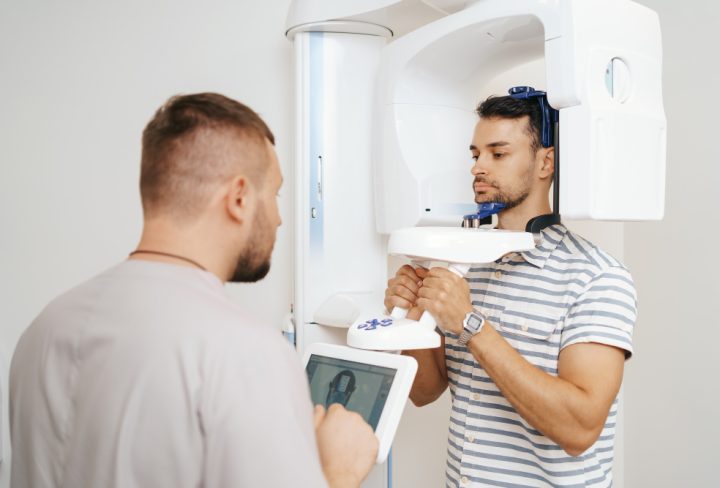
Dental X-rays are special pictures of your teeth and jaw. Dentists use a small machine to take these images. The pictures show what is inside your mouth, including areas you cannot see. For example, X-rays can reveal problems under the gums or inside the teeth. Although the process is quick, it gives your dentist a lot of helpful information. Dental X-rays are also called dental radiographs. They are safe and used all over the world to help people keep their mouths healthy.
Why Are X-rays Important in Preventive Dentistry?
Preventive dentistry means stopping problems before they start. X-rays play a big role in this process. With X-rays, dentists can find small issues early. For instance, they can see tiny cavities or bone loss that may not be visible during a regular exam. As a result, you can get treatment before the problem gets worse. This helps you avoid pain, tooth loss, and expensive dental work. In addition, X-rays help your dentist plan the best care for your needs.
How Do X-rays Help Detect Dental Problems Early?
Early detection is key to good oral health. X-rays help by showing things that are hidden from view. For example, they can reveal:
Because X-rays catch these issues early, treatment can start right away. This often means less pain and lower costs for you. According to the American Dental Association, regular X-rays are a safe and effective way to protect your oral health.
Types of Dental X-rays Used in Prevention
Dentists use different types of X-rays for different reasons. Here are the most common types:
Each type of X-ray has a special use in preventive dental care. Your dentist will choose the right one for your needs.
Safety and Frequency: Are Dental X-rays Safe?
Many people worry about X-ray safety. However, dental X-rays use very low levels of radiation. The amount is much less than what you get from natural sources in a year. Dentists also use lead aprons and modern machines to protect you. The Centers for Disease Control and Prevention (CDC) states that dental X-rays are safe for most people. Still, your dentist will only take X-rays when needed. Children and adults may need them at different times, based on their oral health. If you are pregnant, tell your dentist before having an X-ray.
What to Expect During a Dental X-ray
Getting a dental X-ray is quick and easy. First, your dentist or dental assistant will cover you with a lead apron. Next, you will be asked to bite down on a small piece of plastic. The X-ray machine will be placed near your cheek. You will need to stay still for a few seconds while the picture is taken. After that, the process may be repeated for other areas. The whole procedure usually takes just a few minutes. Most people feel no pain or discomfort during a dental X-ray.
Tips for Maintaining Oral Health and When to Get X-rays
Good oral health starts with daily care. Here are some tips to keep your teeth and gums healthy:
Some people may need X-rays more often, such as children or those with a history of dental problems. Others may need them less often. Your dentist will decide what is best for you based on your age, health, and risk of dental disease.
Conclusion
In summary, dental X-rays are a key part of preventive dentistry. They help find problems early, so you can get the care you need. Because X-rays are safe and quick, they are used by dentists everywhere. If you want to protect your oral health, regular check-ups and X-rays are important steps. Consult your dentist to learn how preventive X-rays can protect your oral health.